Can you get fined for not having a cookie banner? The short answer is yes, but the real risk depends on how your website uses cookies and tracking tools.
This guide explains how cookie banner fines actually work, who gets fined, and when the risk becomes more serious for small websites.
You’ll also learn what matters most before moving on to Does My Website Need a Cookie Banner?.
Yes, you can get fined for not having a cookie banner if your website sets non-essential cookies without user consent.
However, not every website is fined immediately. The real risk depends on your setup, the cookies you use, and whether your site is reviewed or reported.
Do You Actually Get Fined for Not Having a Cookie Banner?
The idea of getting fined for a missing cookie banner sounds extreme, but the risk is real under privacy laws like GDPR.
If your website uses analytics, advertising, or tracking cookies without proper consent, it may be considered non-compliant. This is especially important if those cookies are set before the user has a choice.
In simple terms, the issue is not just whether you have a banner. It is whether your website collects data in a way that respects user consent.
How GDPR Fines Work in Practice
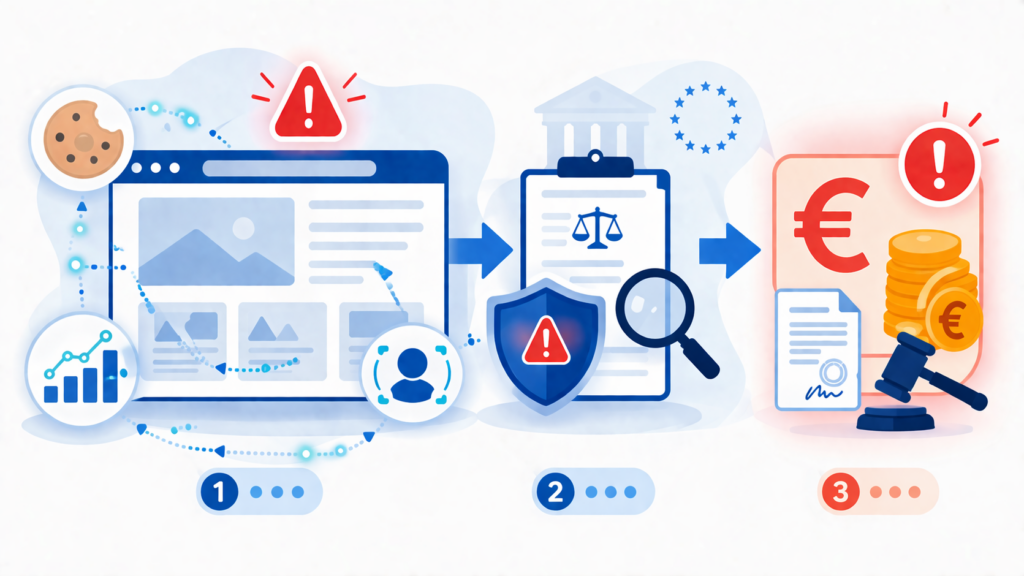
Under GDPR, fines can be significant. In serious cases, they can reach up to €20 million or 4% of annual global turnover.
This is why cookie consent is not just a technical detail — it is part of how your website handles user data legally.
In reality, enforcement is more nuanced. Regulators usually look at:
- what kind of data your website collects
- whether users are informed clearly
- whether consent is collected before tracking
- how serious or repeated the issue is
This means most small websites are not fined immediately, but the risk increases if the setup is clearly non-compliant.
For example, according to the ICO, analytics and tracking cookies are often not considered strictly necessary and typically require user consent before being set.
Having no cookie banner at all is often a sign that non-essential cookies may be set without consent. That is where most compliance problems begin.
Real Examples of Cookie Consent Fines
Fines related to cookies and consent are not theoretical. Regulators across Europe have already issued large penalties.
For example, authorities like CNIL in France have fined companies such as Google and Facebook for issues related to cookie consent and tracking transparency.
These cases often involve cookies being set before consent or users not being given a real choice.
These fines have reached tens or even hundreds of millions of euros in some cases.
While these are large companies, the key point is this: the rules apply to all websites, not just big platforms.
Smaller businesses have also received fines, often in the range of a few thousand to tens of thousands of euros, especially when using analytics or marketing cookies without proper consent.
Are Small Websites at Risk?
This is where things often get misunderstood.
Most small websites are not the first target for enforcement. But that does not mean they are safe from risk.
The risk usually depends on:
- whether your site uses analytics or ad tracking
- whether cookies are blocked before consent
- whether your visitors come from the EU or UK
- whether someone files a complaint
In other words, the risk is not about your size. It is about your setup.
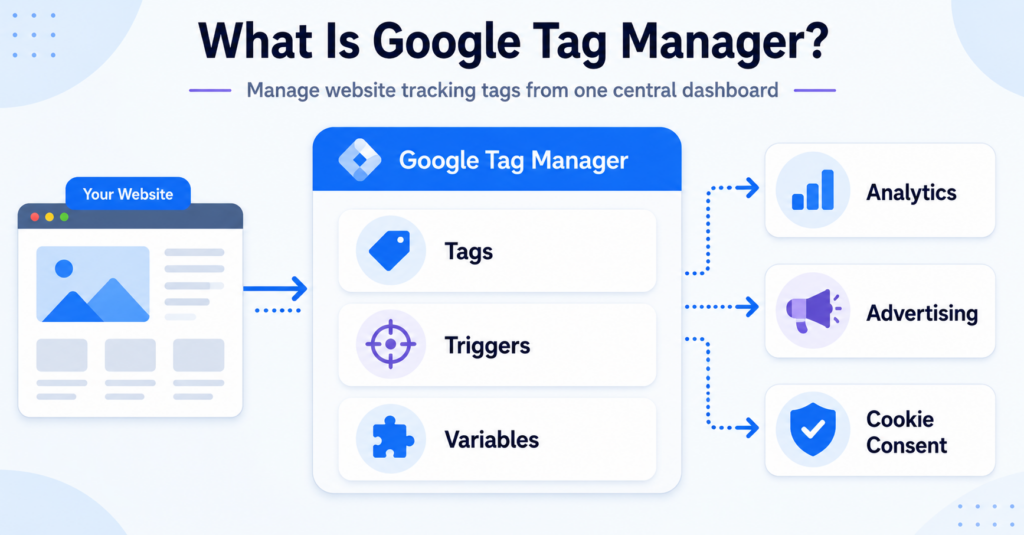
If your website uses tools like Google Analytics or Meta Pixel, it is safer to assume that consent is required before those tools start tracking.
When the Risk Is Higher
You are more likely to run into problems if your website:
- uses Google Analytics or similar tracking tools
- runs ads or remarketing campaigns
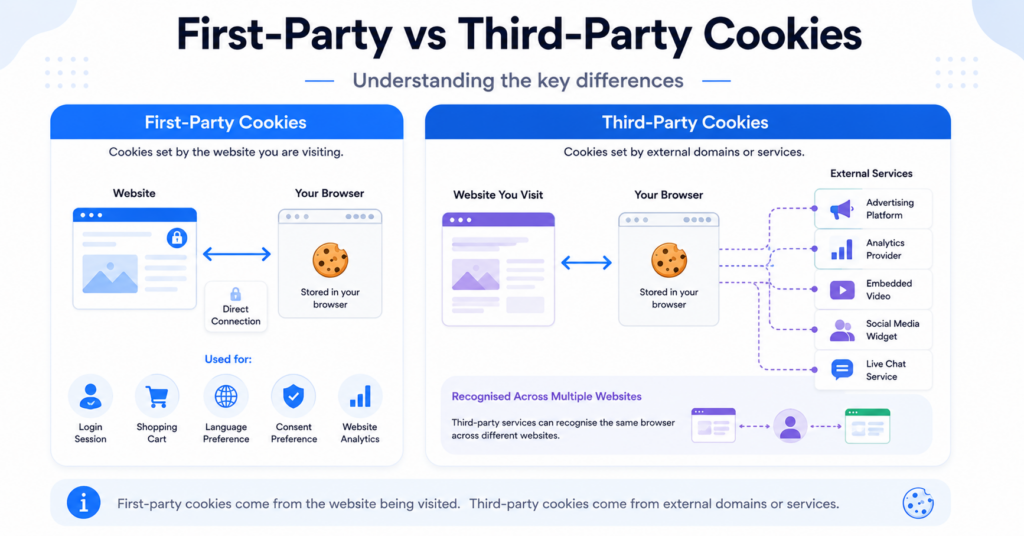
- includes embedded third-party content
- does not block cookies before consent
- has no reject or choice option in the banner
These setups are much more likely to be reviewed or reported.
When the Risk Is Lower
The risk may be lower if your website only uses strictly necessary cookies and does not include analytics, advertising, or third-party tracking.
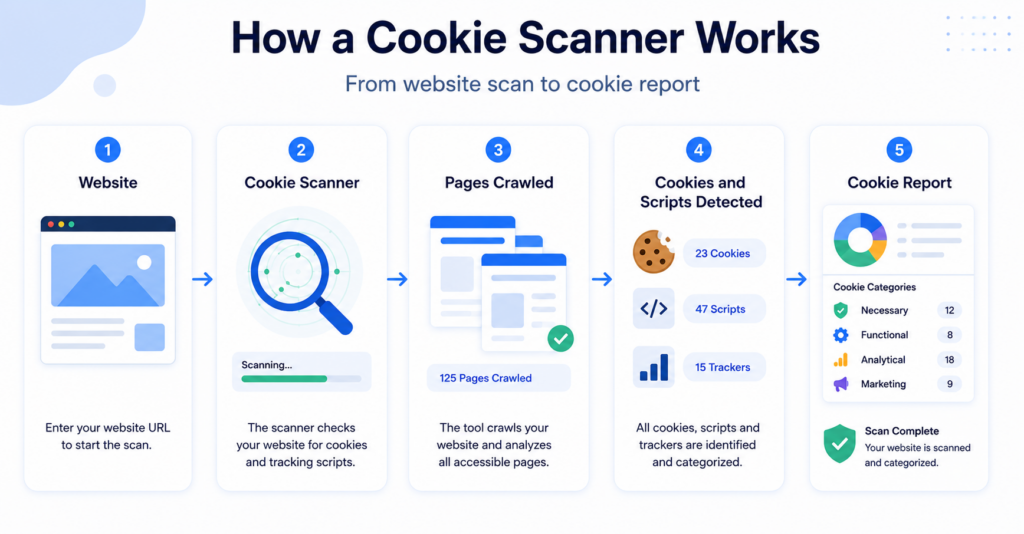
However, many websites underestimate how many tools they actually use. That is why checking your setup is important.
Why Fines Are Not the Only Problem
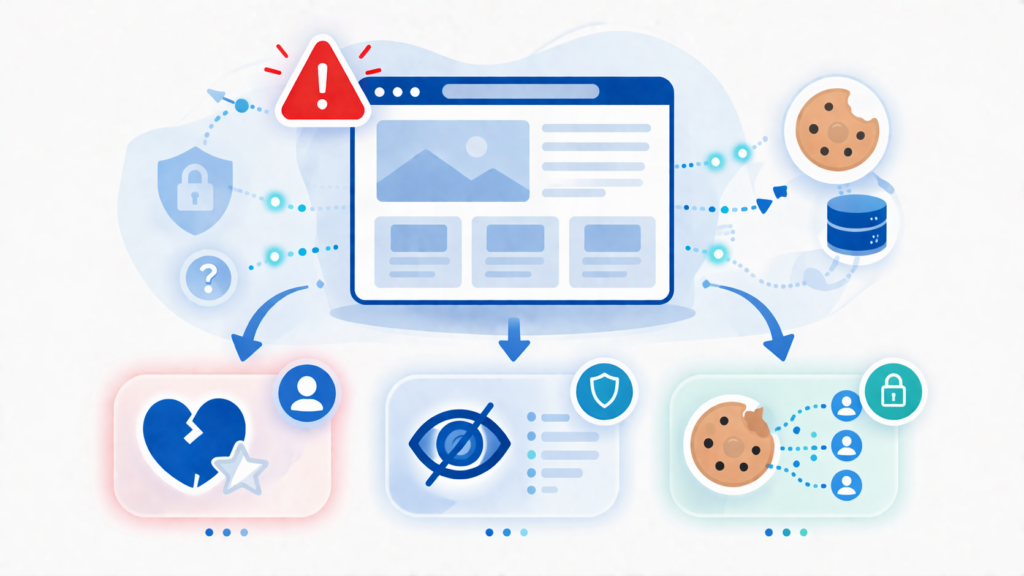
Fines are often the main concern, but they are not the only issue.
- Loss of trust: visitors may feel uncomfortable with hidden tracking
- Poor transparency: your site may look outdated or incomplete
- Future problems: fixing compliance later is usually harder
Here’s why this matters: a cookie banner is part of a larger privacy system. If it is missing, other parts of your setup may also need attention.
In many cases, these issues are easier to fix early. But if ignored, they can become more complex and harder to manage later.
So, Should You Be Worried?
You do not need to panic, but you should not ignore the issue either.
The real takeaway is simple: fines are possible, but they depend on how your website is set up. If your site uses non-essential cookies without consent, the risk becomes much more real.
The good news is that this is usually easy to fix once you understand your setup.
What Should You Do Next?
Before worrying about fines, the most important step is to understand whether your website actually needs a cookie banner.
If your site uses analytics, tracking, or third-party tools, this is usually something you should check first.
Not sure if your website needs a cookie banner?
Conclusion
Yes, you can get fined for not having a cookie banner, but the real risk depends on your website setup, not just the presence of a banner.
If your site uses analytics, advertising, or tracking cookies without proper consent, the issue becomes more serious. The earlier you understand your setup, the easier it is to fix.
Next Step: Check If Your Website Needs a Cookie Banner
Not every website needs the same setup. The easiest way to move forward is to check your website and understand what applies to you.

Frequently Asked Questions
Common questions about this topic
Yes, although it is less common. Smaller websites are usually fined after complaints or clear compliance issues.
No. The banner must also control cookies properly and allow users to make a real choice.
In many cases, yes. Analytics cookies are often not considered strictly necessary.
Using tracking tools without blocking them before user consent is one of the biggest issues.