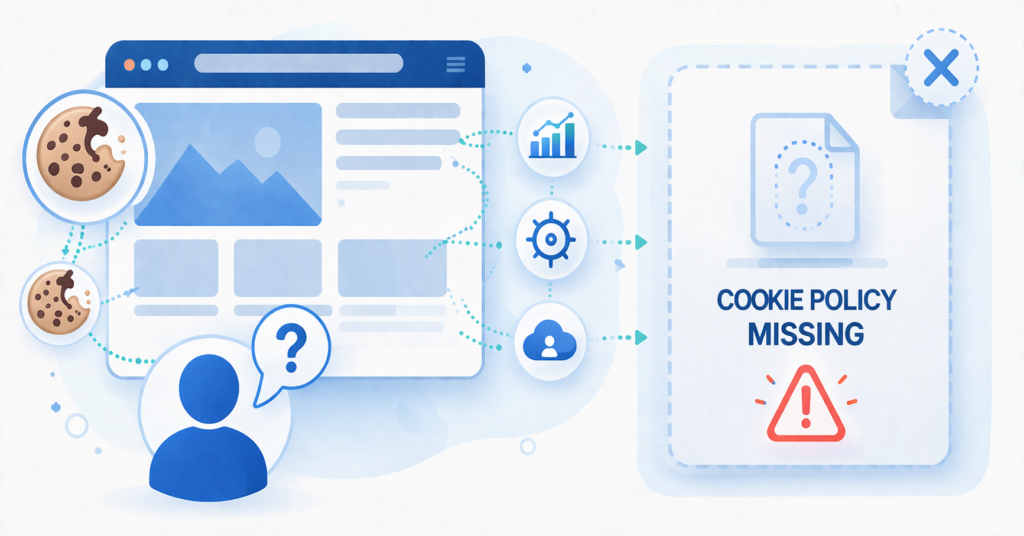
What happens if you don’t have a cookie policy on your website? In many cases, it means users are not clearly informed about how cookies and tracking tools are used, which can create privacy and compliance risks.
This guide explains the real consequences in simple terms, including when the risk is higher, when it may be lower, and what you should do next.
You’ll also learn when a cookie policy is actually needed and what your next step should be.
If your website uses cookies or tracking tools but does not explain them clearly in a cookie policy, it can create transparency and compliance risks.
In many cases, websites that need a cookie banner will also need a cookie policy, especially if they use analytics, ads, or third-party tools.
Why a Missing Cookie Policy Can Be a Problem
A cookie policy helps explain what cookies your website uses, what they do, and what choices users have. If you want a simple explanation first, read What Is a Cookie Policy?.
Without it, visitors may not fully understand how their data is being collected or used. That can make your privacy setup feel incomplete, even if you already have a cookie banner.
This matters because privacy rules are not only about collecting consent. They are also about giving users clear information about what your website is doing.
- users may not understand what cookies are active
- your site may look less transparent
- your privacy setup may be harder to defend if reviewed
- important details about third-party tools may be missing
How This Relates to Cookie Banners
A cookie banner gives users a choice. A cookie policy explains that choice in more detail.
If your website shows a banner but does not provide a clear explanation of the cookies being used, the setup may still feel incomplete from a transparency perspective.
In practice, most websites that need a cookie banner will also need a cookie policy. If users are asked to accept or reject cookies, they should also be able to read what those cookies are and why they are used.
A cookie banner without a cookie policy may not be enough. Users should be able to read what cookies are used and what they are agreeing to before or while making their choice.
When the Risk Is Higher
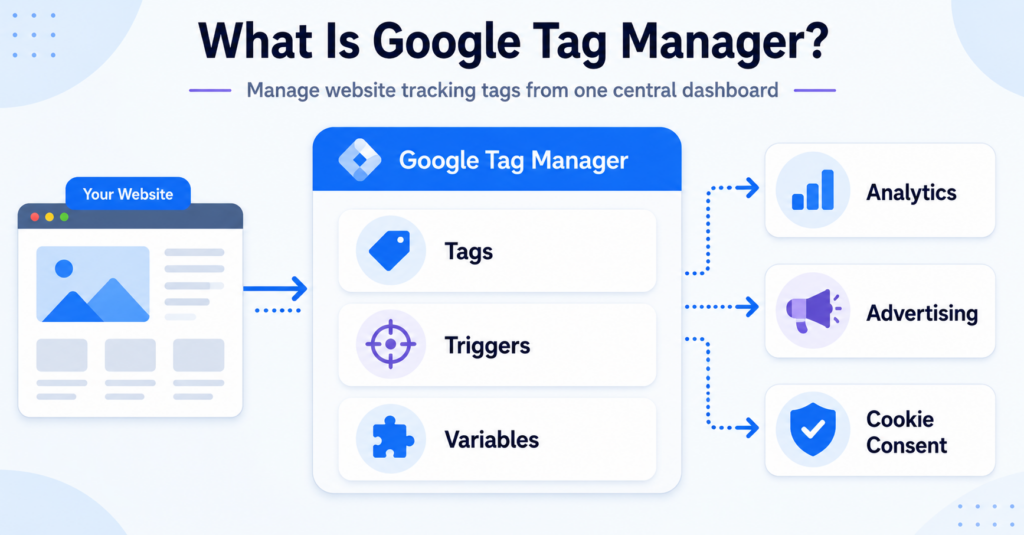
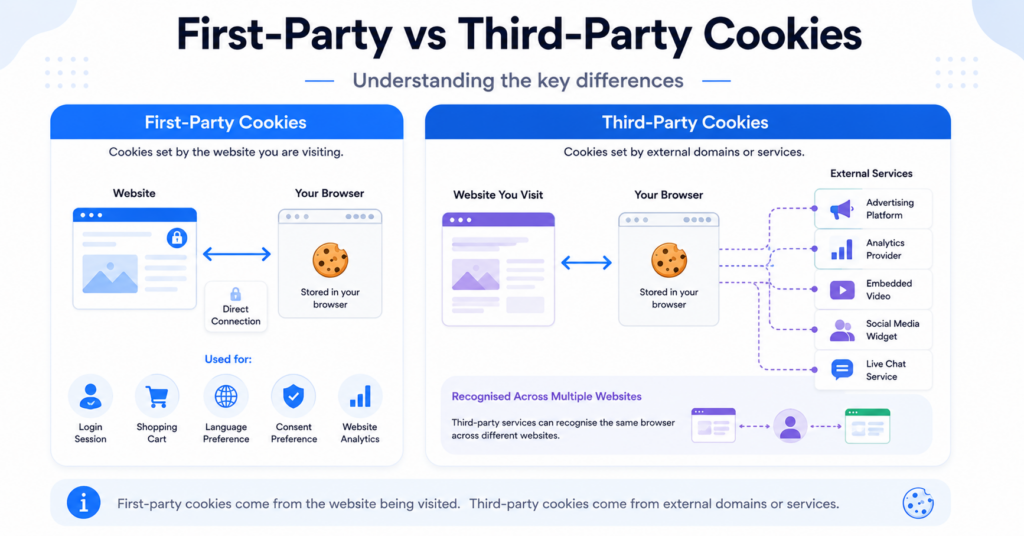
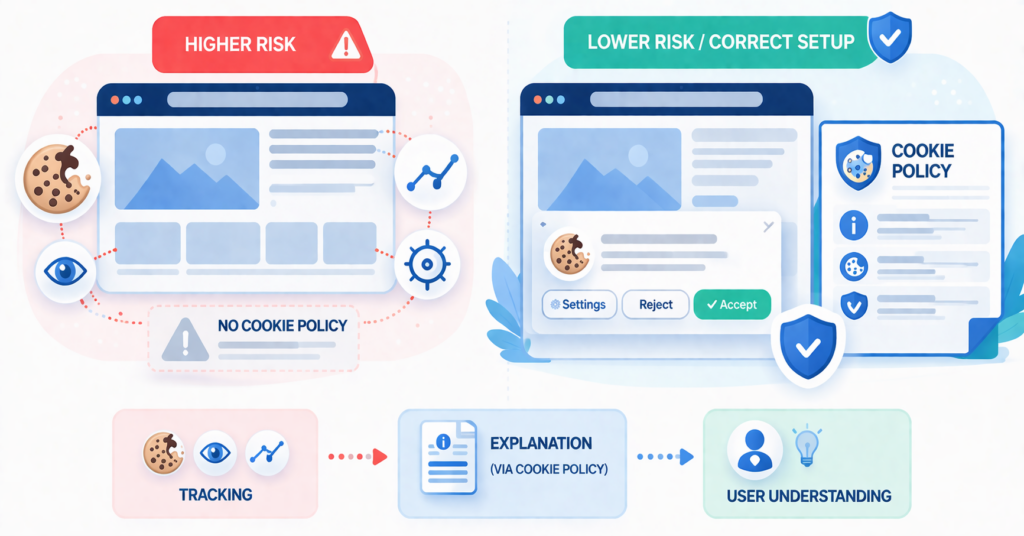
The risk is usually higher if your website uses tools that rely on non-essential cookies or third-party tracking.
- Google Analytics or similar analytics tools
- advertising tools like Google Ads or Meta Pixel
- YouTube videos, maps, or embedded content
- third-party scripts, chat tools, or remarketing tools
In these cases, users should be clearly informed about what is happening. A missing cookie policy makes that much harder.
When the Risk May Be Lower
Some websites may have lower risk if they only use strictly necessary cookies and do not rely on tracking tools.
- no analytics or advertising tools
- no embedded third-party content
- only essential site functionality
- a simple static website setup
However, many websites assume this applies to them when it does not. That is why checking your real setup matters.
If your website uses analytics, embedded videos, ads, or third-party tools, it is safer to assume your setup should include a cookie policy.
Why It Also Affects User Trust
This is not only a compliance issue. It also affects how your website feels to visitors.
- lack of transparency: users may not understand what is being tracked
- less trust: missing information can make the site feel incomplete or unclear
- more confusion: users cannot easily see what cookies are active or why they matter
A clear cookie policy makes your website more transparent and easier to trust.
What Can Go Wrong in Practice?
If your website uses cookies but does not explain them clearly, several problems can appear over time, especially if your site uses analytics, ads, or third-party tools.
- users may not know what they agreed to
- you may miss important details about third-party tools
- your cookie banner may feel disconnected from the rest of your privacy setup
- it becomes harder to explain your setup if someone reviews it
If you want to understand the real risk and possible consequences, read Can You Get Fined for Not Having a Cookie Banner?.
So, Should You Be Worried?
You do not need to panic, but you should not ignore it either.
The real risk depends on your setup. If your website uses tracking tools without clearly explaining them, the problem becomes more serious.
The good news is that this is usually easy to fix once you understand what your website is doing and what should be documented.
If your website uses analytics, ads, or third-party tools, you should probably have a cookie policy.
If your site only uses strictly necessary cookies and no tracking, your risk may be lower — but it is still worth checking your setup.
What Should You Do Next?
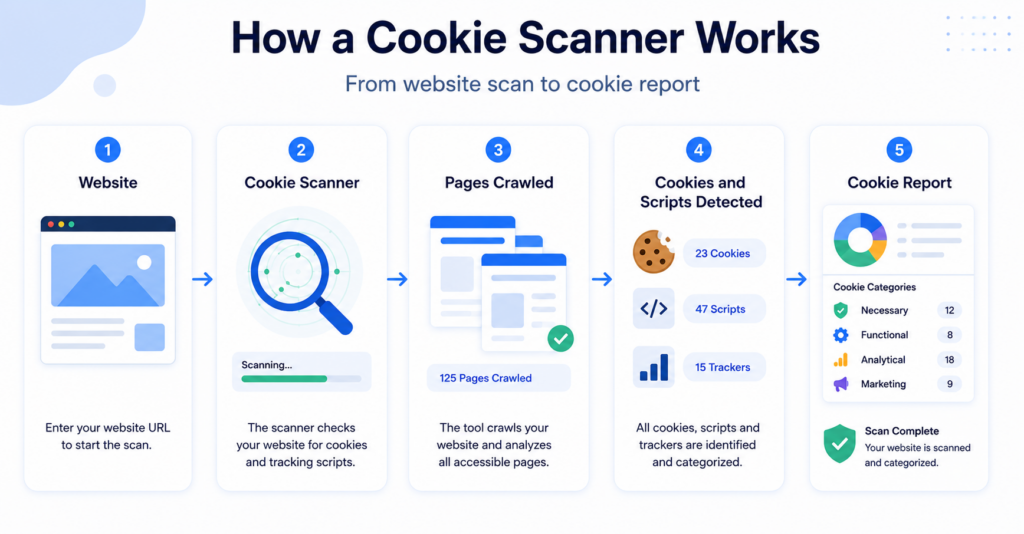
The first step is to check whether your website actually uses cookies or scripts that need explanation.
You can also review your current setup using the Cookie Scanner to see what cookies and tools may be active.
Not sure if your website needs a cookie policy?
Conclusion
Not having a cookie policy does not always mean immediate consequences, but it can create problems if your website uses cookies without clearly explaining them.
In most cases, if your site uses analytics, advertising, embedded content, or third-party tools, a cookie policy is an important part of a complete privacy setup.
It helps users understand what is happening and makes your website more transparent and easier to trust.
Next Step: Create or Review Your Cookie Policy
The easiest next step is to check whether your website needs a cookie policy and then make sure it matches your real setup.

Frequently Asked Questions
Common questions about this topic
In many cases, yes. If your website needs a cookie banner, it will usually also need a cookie policy to explain what cookies are used and why.
Your risk may be lower. Websites that only use strictly necessary cookies may not need the same type of cookie policy as websites using analytics or tracking tools.
No. A privacy policy covers broader data processing, while a cookie policy focuses specifically on cookies and similar tracking technologies.
In many cases, yes. If your website uses analytics cookies, it is usually a good idea to explain them clearly in your cookie policy.
Start by checking what cookies, scripts, and third-party tools your website uses. That will help you decide what your cookie policy should include.