Switzerland cookie consent laws under the FADP explained

Switzerland Cookie Consent Laws: FADP and Cookie Rules Explained

Switzerland does not follow exactly the same cookie consent model as the European Union. Many cookie uses may rely on transparency and an effective opt-out, while higher-risk processing can require explicit consent.

This guide explains how the FADP applies to cookies, when consent may be required, and what a Swiss cookie banner should include.
UK map and consent banner illustrating UK cookie consent laws under PECR and the UK GDPR

UK Cookie Consent Laws: PECR and UK GDPR Explained

πŸ“˜ Quick Answer UK websites generally need prior consent before using cookies or similar technologies for advertising, profiling, cross-site tracking, and other non-exempt purposes. Consent must involve a clear positive action. Non-exempt technologies should remain disabled until the visitor agrees. Websites should also make refusing consent as easy as accepting it. What Are the UK […]

EU cookie consent laws under the GDPR and ePrivacy Directive

EU Cookie Consent Laws: GDPR and ePrivacy Rules Explained

πŸ“˜ Quick Answer EU websites generally need prior consent before activating advertising, profiling, cross-site tracking, and many analytics technologies. Consent must involve a clear positive action. Non-essential technologies should remain disabled until the visitor makes a choice, and refusing consent should be as easy as accepting it. What Are EU Cookie Consent Laws? There is […]

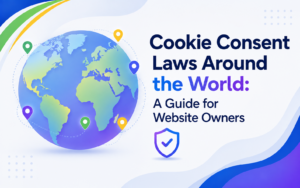
World map and privacy controls illustrating cookie consent laws around the world

Cookie Consent Laws Around the World: A Guide for Website Owners

πŸ“˜ Quick Answer Cookie consent laws vary by region. The EU and Norway generally require prior consent for non-essential cookies, while many US privacy laws focus on notice and opt-out rights. Other countries use privacy laws that may require consent depending on the data collected and how it is used. What Are Cookie Consent Laws? […]

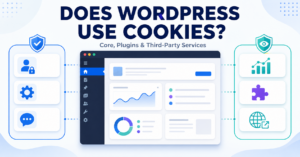
Illustration explaining how WordPress core, plugins, and third-party services can use cookies

Does WordPress Use Cookies? WordPress Cookies Explained

πŸ“˜ Quick Answer Yes. WordPress uses cookies for functions such as authentication, logged-in sessions, user preferences, and optional comment convenience features. Plugins and third-party services can also add their own cookies, so the exact cookies on two WordPress websites can be very different. Does WordPress Use Cookies? Yes. WordPress uses cookies for several built-in functions. […]

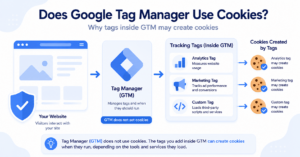
Google Tag Manager container showing tracking tags that may create website cookies

Does Google Tag Manager Use Cookies? GTM Explained

πŸ“˜ Quick Answer Google Tag Manager does not normally create visitor tracking cookies simply because a standard web container is installed. Its main job is to load and manage tags. However, the analytics, advertising, marketing, and other tags running through GTM may use cookies, local storage, or other identifiers. When cookies appear on a GTM-based […]

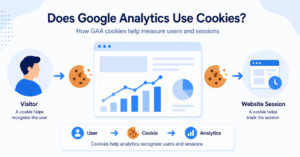
Google Analytics cookies used to measure website users and sessions

Does Google Analytics Use Cookies? GA4 Cookies Explained

πŸ“˜ Quick Answer Yes. Google Analytics 4 uses first-party cookies such as _ga and _ga_<container-id> to distinguish users and maintain session information. However, GA4 can also send measurement data without analytics cookies in some configurations. Does Google Analytics Use Cookies? Yes. Google Analytics 4 JavaScript tags can use first-party cookies on your website. The main […]

Google Tag Manager dashboard connecting a website with analytics, advertising, and cookie consent tools

What Is Google Tag Manager (GTM)? A Beginner’s Guide

βœ… Quick Answer Google Tag Manager, commonly called GTM, is a tag management system. It lets you add, organize, test, and update website tracking tags without manually editing your website code every time. GTM does not replace Google Analytics or a cookie banner. It helps control when and how those tools are loaded. What Is […]

First-party vs third-party cookies comparison showing websites, browsers, and external services

First-Party vs Third-Party Cookies: What’s the Difference?

Quick Answer First-party cookies are created by the website a visitor is currently viewing. Third-party cookies are created by another domain or external service. First-party cookies usually support website functionality and analytics, while third-party cookies are commonly used for advertising, tracking, embedded content, and external integrations. πŸ” Scan Your Website Not sure which cookies your […]

Diagram showing how a cookie scanner scans website pages and creates a cookie report.

What Is a Cookie Scanner?

Quick Answer A cookie scanner is a tool that visits pages on your website and looks for cookies, tracking technologies, and third-party services. It helps website owners understand which cookies are being used and provides information that can be added to a cookie banner or cookie policy. Free Cookie Scanner Want to see which cookies […]