What Is Google Consent Mode?
Google Consent Mode helps Google tags adjust how they behave based on a visitor’s cookie consent choices. Learn how it works, what Consent Mode v2 means, and why it does not replace a cookie banner.
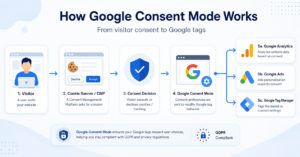
Google Consent Mode helps Google tags adjust how they behave based on a visitor’s cookie consent choices. Learn how it works, what Consent Mode v2 means, and why it does not replace a cookie banner.
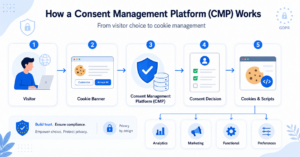
Quick Answer A Consent Management Platform (CMP) is software that collects, stores and applies visitors’ privacy choices to cookies and tracking technologies. Depending on its features and configuration, it can block tracking before consent, record consent decisions and let visitors change their preferences later. Installing a CMP alone does not guarantee that every tracker follows […]
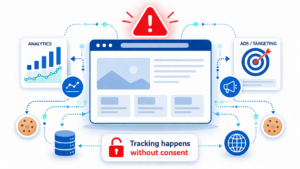
📘 Quick Answer If your website uses non-essential cookies and you do not have a cookie banner, those cookies may be set without proper user consent. That can create privacy and compliance risks, especially under GDPR and similar rules. It can also reduce trust if visitors feel they are being tracked without a clear choice. […]

📘 Quick Answer Yes, you can get fined for not having a cookie banner if your website sets non-essential cookies without user consent. However, not every website is fined immediately. The real risk depends on your setup, the cookies you use, and whether your site is reviewed or reported. Do You Actually Get Fined for […]

📘 Quick Answer Yes, small websites may still need a cookie banner if they use analytics, tracking, embedded content, or third-party tools that set non-essential cookies. If your site only uses strictly necessary cookies, you may not need the same kind of consent setup. The key issue is usually what your website does, not how […]
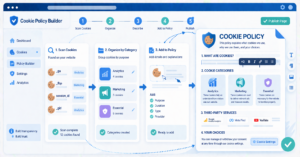
📘 Quick Answer To create a cookie policy page, identify the cookies and similar technologies your website actually uses. Record their names, providers, purposes, categories, and durations, then explain how visitors can manage their choices. A scanner or consent provider can help collect this information, but the results should still be reviewed for accuracy. What […]

📘 Quick Answer If your website uses cookies or tracking tools but does not explain them clearly in a cookie policy, it can create transparency and compliance risks. In many cases, websites that need a cookie banner will also need a cookie policy, especially if they use analytics, ads, or third-party tools. Why a Missing […]

📘 Quick Answer Most websites need a cookie policy if they use analytics, advertising, embedded content, or other tools that set non-essential cookies. If your website uses cookies to collect data or track visitors, you usually need to explain this clearly in a cookie policy—even if you already use a cookie banner. Why a Cookie […]
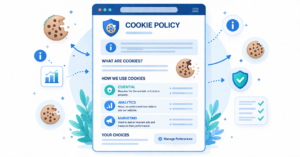
📘 Quick Answer A cookie policy is a page that explains what cookies your website uses, what they do, and how visitors can manage them. It is different from a cookie banner. The banner asks for a choice, while the cookie policy explains that choice in more detail. What Is a Cookie Policy? A cookie […]
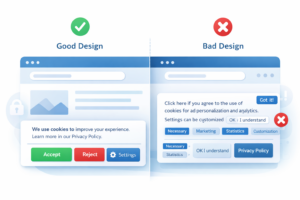
📘 Quick Answer A good cookie banner clearly explains why cookies are used, gives visitors understandable consent choices, and keeps non-essential cookies blocked until the required consent has been obtained. A bad banner may hide the reject option, use pre-selected choices, or load tracking technologies before the visitor has made a decision. 1. What Is […]